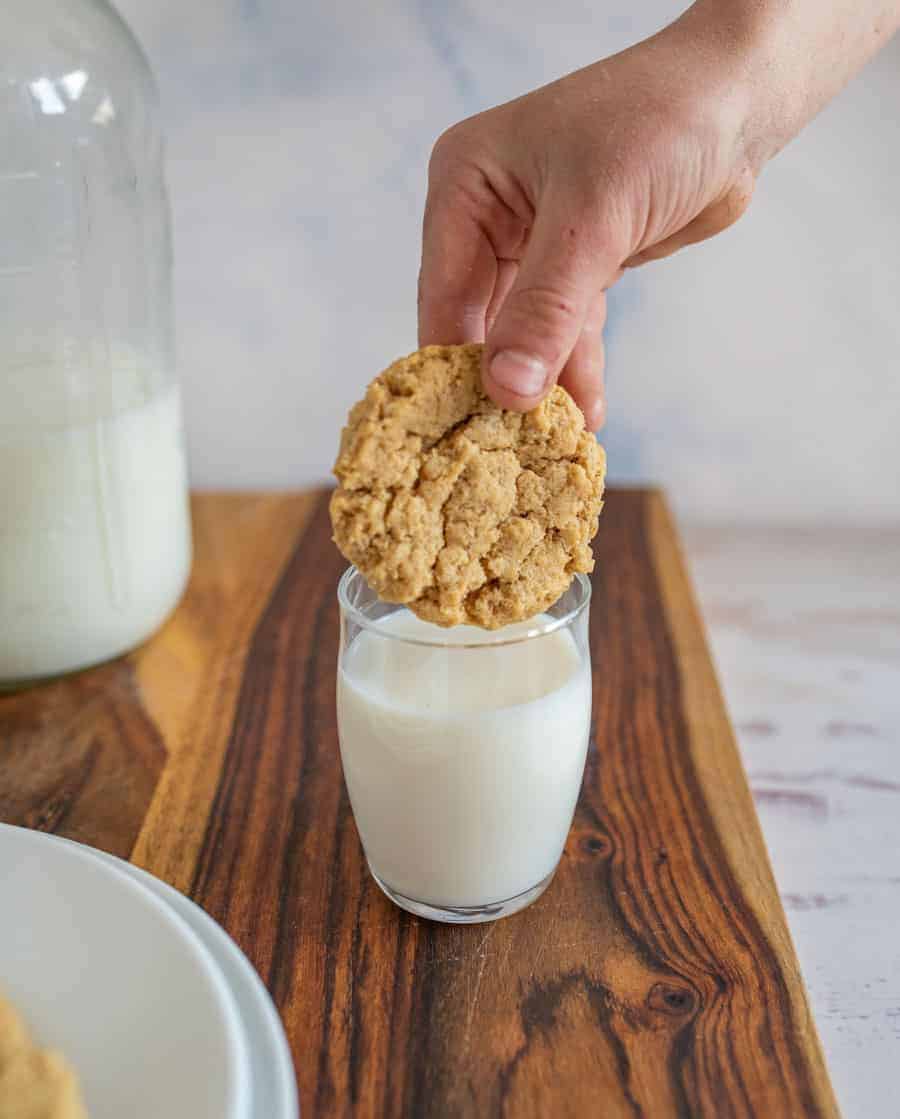
There are few treats as comforting and universally loved as a perfectly baked cookie. Among the vast pantheon of delightful baked goods, peanut butter oatmeal cookies hold a special place. Their unique combination of nutty, sweet, and chewy textures makes them an instant classic. But while many recipes promise delicious results, achieving that elusive, melt-in-your-mouth softness can feel like a culinary secret guarded by only the most seasoned bakers. You know the kind: tender on the inside, slightly crisp at the edges, and bursting with rich peanut butter flavor, complemented by the satisfying chew of oats. If you've ever found yourself with cookies that are too dry, too crumbly, or disappointingly hard, you're in the right place. We're about to unlock the secrets to consistently baking the best chewy peanut butter oatmeal cookies recipe that are so wonderfully soft, they practically redefine the meaning of indulgence. From understanding your ingredients to mastering the mixing and baking process, every step contributes to the ultimate soft texture of your homemade peanut butter oatmeal cookies.
The Foundation of Flavor: Understanding Your Ingredients for Softness
The journey to perfectly soft peanut butter oatmeal cookies begins long before the oven preheats – it starts with a deep understanding of each ingredient's role. Every component contributes to the final texture, flavor, and softness.
Peanut Butter: The Heart of Your Cookie
- Type Matters: For the softest cookies, creamy peanut butter is generally preferred over crunchy, as the nuts in crunchy varieties can sometimes lead to a slightly drier texture. When choosing between natural and processed peanut butter, natural (oil-separated) can sometimes make dough harder to work with due to varying fat content. Stick with well-known brands that have a more consistent emulsification for predictable results. The fat content in peanut butter is crucial for tenderness.
- Room Temperature: Always use room-temperature peanut butter. It creams better with butter and sugar, resulting in a more homogenous dough.
Oats: The Chewy Backbone
- Rolled Oats Are Key: Old-fashioned rolled oats are superior for peanut butter oatmeal cookies. They provide the ideal chewiness and absorb moisture gradually, contributing to the cookie's soft interior. Quick oats, being more finely cut, can absorb moisture too quickly and lead to a drier, cakier cookie. Avoid steel-cut oats entirely for cookies, as they won't soften sufficiently during baking.
Fats and Sugars: Moisture and Structure Architects
- Butter: Unsalted butter is usually recommended so you can control the salt content. More importantly, ensure your butter is softened to room temperature, but not melted. Softened butter creams with sugar, incorporating air that creates a lighter, softer crumb. Melted butter will yield denser, greasier cookies.
- Brown Sugar vs. Granulated Sugar: This is a crucial balance for softness. Brown sugar (especially light brown sugar) contains molasses, which is hygroscopic, meaning it attracts and retains moisture. This is your primary weapon against dry cookies, lending an incredible chewiness and softness. Granulated sugar contributes to crispiness and spread. A higher ratio of brown sugar to granulated sugar is often the secret to truly soft peanut butter oatmeal cookies.
Eggs, Flour, and Leavening: The Unsung Heroes
- Eggs: Large, room-temperature eggs act as a binder, provide moisture, and contribute to leavening. Room temperature eggs emulsify better with the other ingredients, creating a smoother dough.
- Flour: All-purpose flour is standard. The key here is not to over-measure. Too much flour is the most common culprit for dry, tough cookies. Use the "spoon and level" method: spoon flour into your measuring cup, then level off the top with a straight edge.
- Leavening (Baking Soda/Powder): Baking soda, when combined with an acidic ingredient (like the molasses in brown sugar), produces carbon dioxide gas, which helps the cookies rise and become tender. Ensure your leavening agents are fresh for optimal lift.
Mixing Magic: Achieving the Perfect Dough Consistency
Once you have your ingredients perfectly prepped, the mixing process is where the dough's destiny for softness truly begins to take shape. Precision here is paramount to avoid tough or overly spread-out cookies.
The Creaming Method: Incorporating Air
This is where the magic starts. Combine your softened butter, peanut butter, and sugars in a stand mixer with the paddle attachment (or a hand mixer) and beat them together on medium-high speed. You want to cream them until the mixture is light, fluffy, and significantly paler in color – this can take 3-5 minutes. This process incorporates air into the mixture, which is crucial for a tender, soft texture. Don't rush this step!
Adding Eggs: Gradually and Gently
Add the eggs one at a time, beating well after each addition until fully incorporated. This ensures that each egg emulsifies properly into the fat and sugar mixture, preventing a curdled appearance and contributing to a smooth, uniform dough.
Dry Ingredients: The Gentle Fold
In a separate bowl, whisk together your flour, baking soda, and salt. Gradually add the dry ingredients to the wet ingredients, mixing on low speed only until just combined. The moment you see no more streaks of flour, stop mixing. Overmixing develops gluten in the flour, which leads to tough, dense cookies – the antithesis of soft and chewy. A few unincorporated streaks are better than an overmixed dough.
Folding in the Oats (and Optional Mix-ins)
Gently fold in your old-fashioned rolled oats. If you're adding chocolate chips, nuts, or other delicious additions, this is the time to incorporate them. Mix just enough to distribute them evenly throughout the dough without overworking it.
The Essential Chill: Don't Skip It!
This step is non-negotiable for superior texture and flavor in your peanut butter oatmeal cookies. Cover your dough and refrigerate it for at least 30 minutes, but ideally 1-2 hours (or even overnight). Chilling the dough:
- Firms the Fat: Prevents cookies from spreading too much, ensuring a thicker, chewier cookie.
- Develops Flavor: Allows the ingredients to meld, deepening the rich peanut butter flavor.
- Hydrates Oats: Gives the oats time to absorb moisture, contributing to a truly soft and tender interior.
Baking Brilliance: Tips for an Irresistible Texture
The final stage – baking – is where all your careful preparation comes to fruition. A few key techniques here will ensure your peanut butter oatmeal cookies achieve that coveted soft perfection.
Preheat Your Oven Thoroughly
Always preheat your oven for at least 15-20 minutes, even after it signals it's reached the target temperature. Ovens can fluctuate, and a consistently hot oven ensures even baking from the moment your cookies go in. An oven thermometer can be a baker's best friend for accuracy.
Preparation of Baking Sheets
- Parchment Paper or Silicone Mats: Line your baking sheets with parchment paper or silicone baking mats. This prevents sticking, promotes even baking, and makes cleanup a breeze. Avoid greasing the sheets directly, as this can cause excessive spreading.
- Cool Sheets: Use cool baking sheets for each batch. Placing dough on a hot sheet can cause the butter to melt too quickly, leading to flat, overly crispy cookies. If you only have one or two sheets, allow them to cool completely between batches.
Scooping for Uniformity
Use a cookie scoop (about 1.5-2 tablespoons) to portion out your dough. Uniformly sized cookies bake more evenly. Roll the scooped dough gently into balls, then place them about 2 inches apart on the prepared baking sheet. For that classic peanut butter cookie look, gently press down the dough balls with the tines of a fork in a crosshatch pattern, but don't flatten them too much if you want a thicker cookie.
The Art of Underbaking (Slightly!)
This is arguably the most critical secret to soft cookies. Bake your peanut butter oatmeal cookies until the edges are just set and lightly golden, but the centers still look slightly underdone and puffy. They will continue to bake from the residual heat on the hot baking sheet. For most recipes, this means baking for 10-12 minutes at 350°F (175°C). Overbaking is the quickest way to dry, hard cookies. When in doubt, take them out a minute earlier than you think.
Cooling Correctly
Once removed from the oven, let the cookies cool on the baking sheet for 5-10 minutes. This allows them to set up and continue baking slightly without overcooking. Then, transfer them gently to a wire rack to cool completely. This prevents the bottoms from getting soggy and ensures even cooling.
Common Pitfalls and How to Avoid Them
Even with the best intentions, baking can sometimes throw curveballs. Here are some common issues you might encounter with your peanut butter oatmeal cookies and how to troubleshoot them:
- Cookies Spreading Too Much:
- Culprit: Butter that's too warm or melted, insufficient flour, overmixing, or skipping the dough chilling step.
- Solution: Ensure butter is only softened, not melted. Measure flour precisely. Chill your dough for at least 30 minutes, preferably longer. Don't overmix.
- Dry or Crumbly Cookies:
- Culprit: Overbaking, too much flour, or not enough fat/moisture.
- Solution: Bake for less time (remember to underbake slightly!). Measure flour accurately using the spoon and level method. Check your ingredient ratios, especially for brown sugar.
- Tough or Dense Cookies:
- Culprit: Overmixing the flour, leading to excessive gluten development.
- Solution: Mix dry ingredients into wet only until just combined. Stop as soon as the flour streaks disappear.
- Lack of Peanut Butter Flavor:
- Culprit: Using a low-quality or bland peanut butter, or not enough of it.
- Solution: Invest in a good quality, flavorful peanut butter. Don't skimp on the amount called for in the recipe. A pinch of extra salt can also enhance the perception of peanut butter flavor.
- Unevenly Baked Cookies:
- Culprit: Inaccurate oven temperature, overcrowding the baking sheet, or using dark baking sheets.
- Solution: Use an oven thermometer to verify temperature. Don't overcrowd; bake in batches if necessary. Lighter-colored baking sheets tend to bake more evenly than dark ones, which can cause bottoms to burn.
By understanding these common challenges and their solutions, you'll be well-equipped to create consistently perfect, soft peanut butter oatmeal cookies every time.
Achieving perfectly soft peanut butter oatmeal cookies isn't just about finding a good recipe; it's about understanding the science and technique behind baking. From selecting the right type of peanut butter and old-fashioned oats to mastering the creaming process, chilling the dough, and knowing precisely when to pull your cookies from the oven, each step contributes to that irresistible tenderness. By paying attention to these details and avoiding common pitfalls, you can consistently bake cookies that are not only delicious but boast the ideal texture – delightfully soft, chewy, and bursting with rich flavor. So go ahead, gather your ingredients, follow these secrets, and prepare to elevate your homemade peanut butter oatmeal cookies to a whole new level of comforting perfection.
